

Our Blogs
Our Blogs
Significance Of Rubber Mixing Mills In Industries
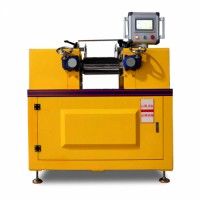
Here's the thing, the advancements in technology and science have introduced the world to many modernized machinery for industrial work. The rubber mixing mill is another example of efficient equipment used for manufacturing rubber compounds. It has two rolls arranged parallel to each other, and both of them move in opposite directions while functioning. The speed of the rollers can be adjusted according to the producer's requirements. One can determine the thickness of the rubber mixture by adjusting the roll nip. A few additives like softeners, colors, and fillers are also added to the rubber base material to obtain optimum results. The mixing process generates heat, so the water is utilized for cooling the rollers to achieve the ideal processing temperature. A Few Considerations While Buying A Rubber Mixing Mill Here are some considerations you should count on before investing in rubber mixing mills and if you want to dive a little deeper there is a complete blog on tips and considerations about buying rubber mixing mills. • Features and specifications of the machine • The type of material that will be used within the rubber mixing mill • Size and power of the machine • Floor space required for installing the machine • Is the machine energy-efficient and environmentally friendly? • Whether the machine is noisy during operation or not? • Safety of the operator in the factory • Investment required and possible returns in both the short run and long run. A few newer models of the rubber mixing mill also offer optimization options to the buyers. Applications Of The Rubber Mixing Mill The mixing mills are a favorable option for mixing additional elements and compounds in hard and tough materials like rubber. Here's how this equipment proves useful; • Refining compounds • Crushing rubber waste • Making rubber materials for producing products like tires and seals • The plastic industry also uses this equipment Investing in a competent China rubber mixing mill proves increasingly valuable for the manufacturing industries of the world.
What Are the Methods of Processing Rubber?
There are several manufacturing processes when it comes to making rubber products. That manufacturing process has particular advantages, making it the ideal option for producing certain types of products. Knowing the manufacturing processes will help you understand the consequences of costs and tradeoffs. Some of the most common procedures for producing rubber are. In the late 1930s, the US used more than half of the world's available supply of rubber. Natural rubber can be used in more than 50,000 manufactured goods in the United States today, and the United States imports more than 3 billion pounds of natural rubber per year. However, more than 70 percent of the rubber used in current manufacturing processes is a synthetic rubber. Rubber is whether natural or synthetic. It comes in large bales to manufacturing plants. When the rubber enters the factory, manufacturing takes four steps: Compounding Mixing shaping Curing The composition and method of rubber compounding depend on the expected outcome of the process of producing rubber. Compounding Compounding uses chemicals and other additives to make the rubber suitable for the intended use. Natural rubber varies with temperature, becoming cold-brittle and a sticky, gooey heat-broken mess. Chemicals added during the compounding process react with rubber to stabilize the rubber polymers during the vulcanizing process. Mixing All the chemicals and other additives must be mixed thoroughly into rubber. Rubber mixing is quite tricky due to high viscosity, and it can be done quickly if the temperature is raised to 300 degree. There are two stages of mixing. Firstly additives are mixed into the rubber. When the rubber has cooled, the vulcanization chemicals are applied to the rubber and mixed in step two. China rubber mixing mill machine is usually used in this process; that makes things simple and more effective. Shaping Rubber products are shaped using four general methods: extrusion, calendaring, coating, or molding, and casting. Depending on the final product, more than one shaping technique may be used. Curing Curing is carried out in pressurized steel molds, which are heated at temperatures at which the interlinking reaction takes place by steam or electricity. Typical cure conditions are at 160 ° C (320 ° F) for several minutes.