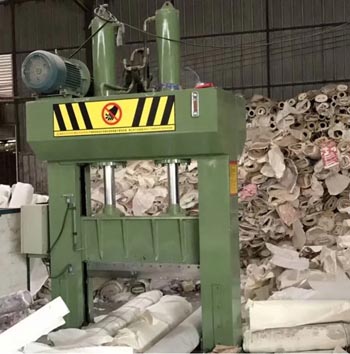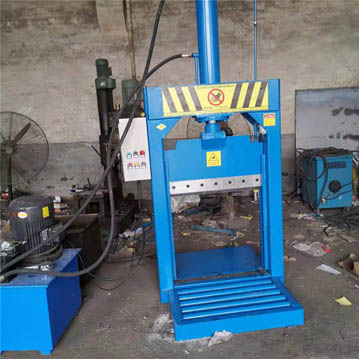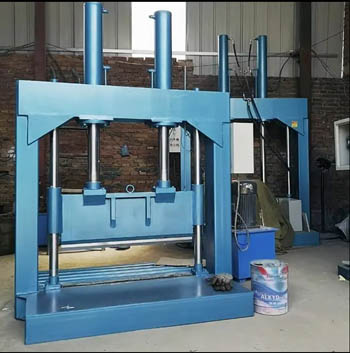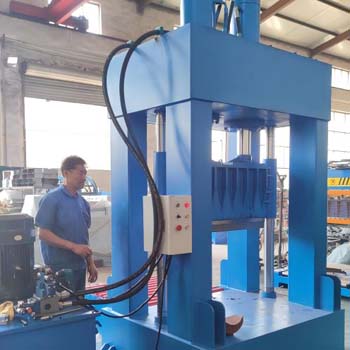
In a variety of manufacturing industry ,such as rubber ,chemical and polymer materials ,they are usually supplied in large, compressed bales or block. material preparation plays a crucial role in production efficiency and product quality. As production capacity increases and materials are more and more denser, more and more factories or manufacturers are upgrading from […]
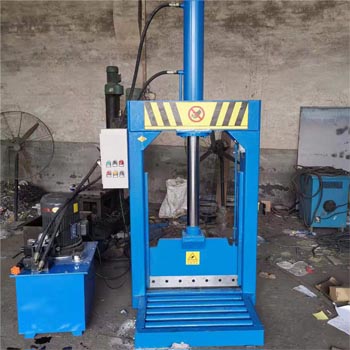
In rubber ,plastic, silicone and other polymer materials industries manufacturing, raw materials usually come in large and heavy format. In order to process these large size block , it need to be cut into smaller size . Before other technique procedure ,such as mixing, kneading, or calendering , these large size rubber bale or blocks […]
In modern rubber processing industry factories , efficiency, safety, and consistency are very important to consider. Traditionally, many factories relied on skilled workers to cut rubber blocks by manual. Compared with manual cutting manner, A automatic cutting machine can cut a rubber bale within seconds.It not only increase the working efficiency by several times but […]
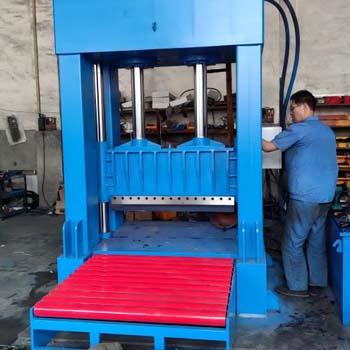
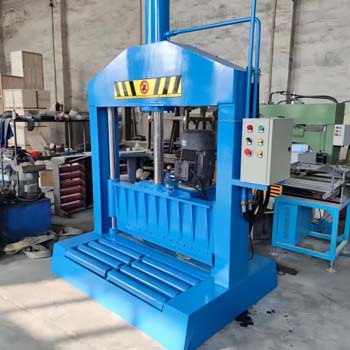
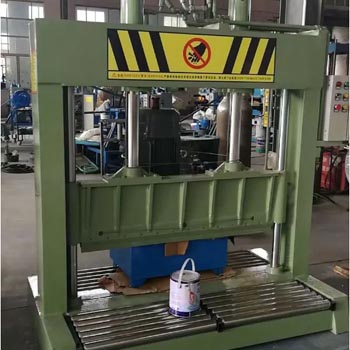
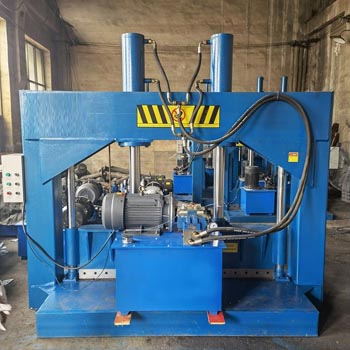
In the modern rubber and polymer processing industry, rubber raw material usually come in large or heavy , it need to cut rubber bale into smaller sizes before mixing ,kneading or compounding. In order to cut these large, high-dense rubber bales into manageable size efficiently , rubber manufacturers rely on hydraulic guillotine cutters . There […]
In the rubber and polymer industry, cutting large, raw rubber often comes in large, heavy bales weighing 40–60 kg or more . So it is very necessary to cut these large raw material into smaller, manageable pieces before mixing, weighing, or molding. Traditionally, people cut these raw bale by manual , cutting these tough bales […]
In the rubber and polymer manufacturing process, raw rubber often comes in large, heavy bales weighing 50–80 kg or more. Thus ,it is necessary to cut these tough material bales into manageable or smaller , in order for next process for mixing, weighing, kneading and extruding,vulcanizing etc . Traditional , cutting hard raw material by […]
03
Oct 25
Mechanical Bale Cutter vs Hydraulic Bale Cutter – Which is Right for Your Rubber Industry?
In the rubber & polymer manufacturing industry, bale cutting is the very first step before the next rubber processing (including natural and synthetic rubber ) for mixing, kneading and compounding respectively in two-roll open mixing mills, kneaders, or internal mixers. Cutting natural and synthetic rubber bales into uniform blocks ensures efficient mixing, consistent quality, and […]
In the rubber and polymer processing industry, as natural and synthetic rubbers material, EVA, thermoplastic elastomers, and other block polymers are provided in large, heavy bales. it is very essential to cut these rubber material bale or block into smaller, manageable pieces , so that achieving consistent processing for mixing, kneading, or refining process. This […]
In the rubber manufacturing industry, raw rubber usually comes in large ,dense and heavy size bales ,which weigh anywhere between 25 kg to 35 kg or even more. These heavy and large size rubber bales are extremely tough, sticky, and elastic, thus it is very hard to handle and process them directly. In order to […]
Whether you are in the rubber or other plastic polymer industry, the first and most critical step is often cutting large rubber or silicone bales into small desirable sizes for downstream mixing mill and kneading processing. To finish the hard work manually or with conventional tools is not only require large labor but also it […]